Mastering the art of cut flower care
Posted on 29/05/2025
Mastering the Art of Cut Flower Care
Few pleasures compare to the joy and beauty that freshly cut flowers bring into a living space. Yet, many people find themselves disappointed when their bouquets wilt after only a few days. Unlocking the secrets to maintaining vibrant and long-lasting blooms requires artful care, practical techniques, and a bit of botanical science. If you long to become a master at extending the life and allure of your cut flowers, this comprehensive guide is for you.

Why Cut Flower Care Matters
Caring for cut flowers goes far beyond simply placing them in water. Flowers, once severed from their roots, are prone to rapid deterioration. Proper intervention can dramatically increase their vase life--preserving their scent, brilliance, and form for over a week or more.
- Appropriate cut flower care saves money by prolonging the display of your arrangements.
- It reduces waste, benefitting both the environment and your wallet.
- Well-maintained flowers enhance mood, interior decor, and even boost productivity.
Getting Started: Choosing and Preparing Your Flowers
1. Select the Freshest Blooms
The journey to mastering the art of cut flower care starts long before your bouquet enters a vase. Whether shopping at a florist or picking from your garden:
- Look for firm petals and upright stems--signs of healthy, hydrated blooms.
- Avoid flowers with wilted edges, yellowing foliage, or excessive pollen shed.
- Choose stems with closed or just-opening buds for maximum longevity.
2. Cut With Care
When harvesting flowers from the garden:
- Cut early in the morning or late evening, when water content in stems is highest.
- Use a sharp, clean knife or garden shears to prevent crushing the stem.
- Snip stems at a 45-degree angle to increase the surface area for water uptake.
3. Immediate Hydration
Immediately after cutting, immerse stems in cool, clean water. This minimizes air bubbles, which block water absorption and can accelerate wilting.
Best Practices for Extending Vase Life
1. Cleanliness Is Key
One of the most critical aspects of cut flower maintenance is ensuring that both vases and tools are sterile. Bacteria can quickly colonize water and the stems themselves, hastening decay.
- Wash your vase thoroughly with hot water and mild soap to remove any residue.
- Rinse your cutting tools with rubbing alcohol or a bleach solution between uses.
- Remove all submerged leaves from stems to prevent water fouling.
2. Use the Right Water
Fill your vase with fresh, lukewarm water. Cold water can shock blooms, while hot water may damage delicate stems. If possible, use filtered or distilled water to avoid mineral buildup and chlorine sensitivity, which some flowers are prone to.
3. Properly Prepare the Stems
Every flower variety benefits from specific stem treatments:
- Woody stems: Split or crush the base gently to improve water absorption (e.g., lilacs, forsythia).
- Milky sap flowers: Seal the cut with a match or hot water (e.g., poppies, euphorbia) to prevent sap loss.
- Bulb flowers: Avoid mixing with other varieties, as they release sap that can impact other flowers (e.g., tulips, daffodils).
4. Crafting the Best Flower Food
Most bouquets benefit from commercial flower food--a blend of sugar (energy), acidifier (to regulate pH), and a biocide (to prevent rot). If you're out of commercial packets, try this classic homemade recipe:
- 2 cups of water
- 1 teaspoon sugar
- 1 teaspoon lemon juice or vinegar
- 1/2 teaspoon household bleach
This mix nourishes the blooms, maintains water clarity, and prevents bacterial growth.
Expert-Level Flower Arrangement Tips
1. Best Placement for Longevity
Position your vase wisely:
- Keep flowers out of direct sunlight, which speeds up decay.
- Avoid placing near heating vents, radiators, or cold drafts.
- Keep away from ripening fruit--ethylene gas released by apples, bananas, and pears accelerates wilting.
2. Changing Water Regularly
To maintain vibrancy:
- Change the vase water every 2 days (or daily for sensitive blooms).
- Wipe the vase and recut stem ends each time for optimal water uptake.
3. Refresh and Remove
- Remove spent blooms promptly to prevent decay from spreading to healthy flowers.
- Trim stems by about 1/2 inch every 2-3 days to keep vascular tissue clear.
- Add fresh flower food or a new homemade solution with each water change.
Varieties and Their Special Needs
Different flowers demand different care. Here's how to optimize longevity for popular types:
Roses
- Recut stems under water and strip lower leaves.
- Remove outer "guard" petals for the best appearance.
- Change water daily--roses are especially prone to bacterial clogging.
Lilies
- Remove pollen-tipped stamens to prevent staining and premature wilting.
- Cut when buds are just starting to open for longest bloom time.
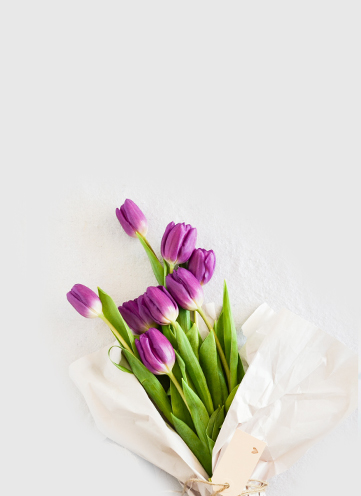
Tulips
- Wrap stems in paper for an hour after cutting to straighten droopy heads.
- Use only a shallow amount of water and a tall vase for support.
Hydrangeas
- Submerge heads in lukewarm water for 30 minutes to rehydrate after cutting.
- Scald stem ends in hot water for 30 seconds, then place in cool water.
Less-Known Tips From the Experts
1. Aspirin and Pennies--the Facts
Some home remedies, like dropping a copper penny or aspirin into the vase, are popular. Aspirin's acidity can lower pH (beneficial for some flowers), but copper is chiefly useful for its mild fungicidal effect. The tried-and-true sugar-acid-bleach blend is most reliable.
2. Mist the Petals
Some flowers--the exception being those prone to mold, like carnations--benefit from a gentle water mist. This supplies moisture directly to the most delicate parts and can improve turgidity in dry environments.
3. Use Two Vases for Sequential Arranging
For arrangements with multiple flower types, keep stems in separate water sources overnight to let them hydrate fully according to their unique needs. Assemble the arrangement once all are optimally conditioned.
Frequently Asked Questions About Cut Flower Care
How can I make cut flowers last the longest?
Combine all the advice given: Start with fresh flowers, keep your tools and vase sterile, use a nourishing solution, change water regularly, and keep the display out of direct sunlight and heat.
Why are my flowers wilting so quickly?
This may be due to dirty water, lack of floral food, cutting stems too short, or leaving leaves submerged, which allows bacteria to thrive. Re-examine your process and adopt the steps outlined above.
What makes cut flowers droop?
Air in the stem, blockages from bacteria, or not cutting at the correct angle are common culprits.
Is it true that some flowers kill others in a bouquet?
Yes--daffodils, for example, emit a sap that shortens the life of other flowers. Let their sap drain in a separate container before adding to mixed bouquets.
Sustainable Cut Flower Practices
Mastering cut flower care also means thinking about sustainability:
- Whenever possible, source blooms from local, eco-friendly growers or your own garden.
- Compost spent flowers and green waste rather than discarding them.
- Reuse vases and repurpose wilted blooms for potpourri or crafts.
Creating Your Own Artistry: Advanced Arranging Techniques
Beyond maintenance, become a flower care artist with these creative skills:
- Color theory: Use complementary or analogous colors for harmonious displays.
- Texture and height: Layer blooms of varying heights and foliage for greater interest.
- Focal points: Place the most eye-catching flower at a key spot in the arrangement.
- Seasonal accents: Add herbs, branches, or berries for a unique signature.
Quick Troubleshooting Guide
- Murky water fast? Clean and refresh with a stronger bleach solution or replace the vase.
- Drooping stems? Recut at an angle and allow to rehydrate completely before arranging.
- Foul odor? Bacteria are present--deep clean the vase and use fresh water.
- Petal browning? Avoid direct sun and check for ethylene exposure from nearby fruit.
Conclusion: Express Yourself With Blossoms That Endure
When you master the art of cut flower care, you enhance not only the beauty of your home but also your appreciation for nature's fleeting masterpieces. With a mix of science, skill, and creativity, you can ensure that every bouquet you welcome indoors remains a source of pride and joy for as long as possible.
Remember: The longevity and radiance of your cut flowers are in your hands. Start with cleanliness, prepare your stems using best practices, use flower food wisely, and take a patient, attentive approach. Soon, you'll find that growing and displaying cut flowers is not just a decoration but an art form--one you can master for a lifetime of color and delight.